


What you’ll learn in this blog:
-
- Why is there a major shift in sponsorship models?
- What types of advanced sponsorship models are available for you?
- When to use each sponsorship model with real examples
Sponsorship has long been a primary revenue stream for associations, helping them fund events, training initiatives, and member services. That said, the landscape of sponsorship models is changing. Associations need to adapt their partnership models to stay relevant and appealing to potential sponsors. The secret is creating opportunities that not only attract sponsors but also provide them with tangible value.
Let’s take a look at the reasons behind the shift in models and what advanced models can best meet new demands.
Why the Shift in Sponsorship Models?

Several factors are driving the shift:
-
- Quantifying Sponsorship Results: Today’s sponsors are more data-focused than ever. They expect clear metrics to demonstrate the return on investment (ROI) of their sponsorship. This means that on top of delivering visibility, associations must also be able to quantify the effectiveness of their partnerships.
- Shifting Member Expectations: Members today are looking for more personalized and engaging experiences. This creates a need for sponsorship packages that go beyond traditional branding and offer deeper, more integrated experiences.
- Digital Transformation: Evolving technologies have transformed the way associations engage with members and sponsors. Virtual and hybrid events, digital content, and online communities are now a must.
- Economic Uncertainties: Trade wars, recessions, or unstable economies can change sponsors’ budgets and marketing strategies. As a result, sponsors may seek more flexible partnerships that allow them to better manage their expenses.
- Growing Competition: Associations now face saturated markets and stiff competition from other organizations vying for sponsors’ attention and funds. To stand out, associations must innovate and provide more creative and compelling models. This means offering more than standard exposure and creating opportunities that align with sponsors’ broader goals and values.
Types of Advanced Sponsorship Models

The change towards advanced models has given rise to several new strategies:
-
- Experience-Based Sponsorships
Instead of just placing logos on event materials, experience-based sponsorships create immersive, interactive opportunities for sponsors to engage with attendees. For example, a hands-on workshop, an interactive session or game, or even a VIP lounge. Think of a mini-game at a corporate event sponsored by a brand that colleagues would participate in together. An experience like this is likely to leave an impression that will stay, even after the event, and foster a stronger brand connection. - Tiered Levels
A tiered sponsorship model allows associations to offer different levels of sponsorship with defined benefits. This structure gives sponsors the opportunity to choose the visibility and engagement that fit their budget and goals. Higher-tier sponsors receive more prominent exposure and better opportunities for engagement, while lower-tier sponsors still benefit from targeted branding and access to their desired audiences. - Data-Driven Sponsorships
Data-driven sponsorship models are becoming increasingly popular as associations collect more data on attendee behaviour, preferences, and engagement. By providing sponsors with valuable anonymized, augmented data, such as attendee demographics, attendee habits, session engagement, requirement surveys, or social media polls, associations can help sponsors tailor their marketing strategies and measure their success. - Content and Co-Branding
This offers brands the opportunity to sponsor or co-create content that resonates with the association’s audience. This could be anything, from sponsoring a webinar series, co-authoring industry reports, or branded educational resources or even customized corporate gifts. Content-driven sponsorships allow sponsors to position themselves as thought leaders and build a deeper connection with the association’s community. - Digital and Virtual Sponsorships
With the rise of virtual and hybrid events, digital sponsorships have become a major revenue stream. Sponsors can support virtual conferences, webinars, marketplaces, or online forums, with opportunities for branded virtual booths, sponsored content, or interactive sessions. Beyond in-person events, this model can help reach a global audience. - Social Responsibility, Community Engagement and Cause-Related Sponsorships
Many sponsors are now aligning their marketing efforts with their corporate social responsibility (CSR) goals. Associations can capitalize on this trend by offering sponsorships that support charitable causes, philanthropy, volunteering, and sustainability initiatives. Sponsors who contribute to these programs often experience better brand perception and loyalty among their target audience.
- Experience-Based Sponsorships
Examples of Advanced Sponsorship Models in Practice
These models can be implemented in different ways depending on an association’s audience, resources, and partners. Here are some examples of how organizations can combine sponsorship opportunities with experiences, data, content, and social impact.
UNICEF and Target: Content, Co-Branding and Cause-Related Sponsorships
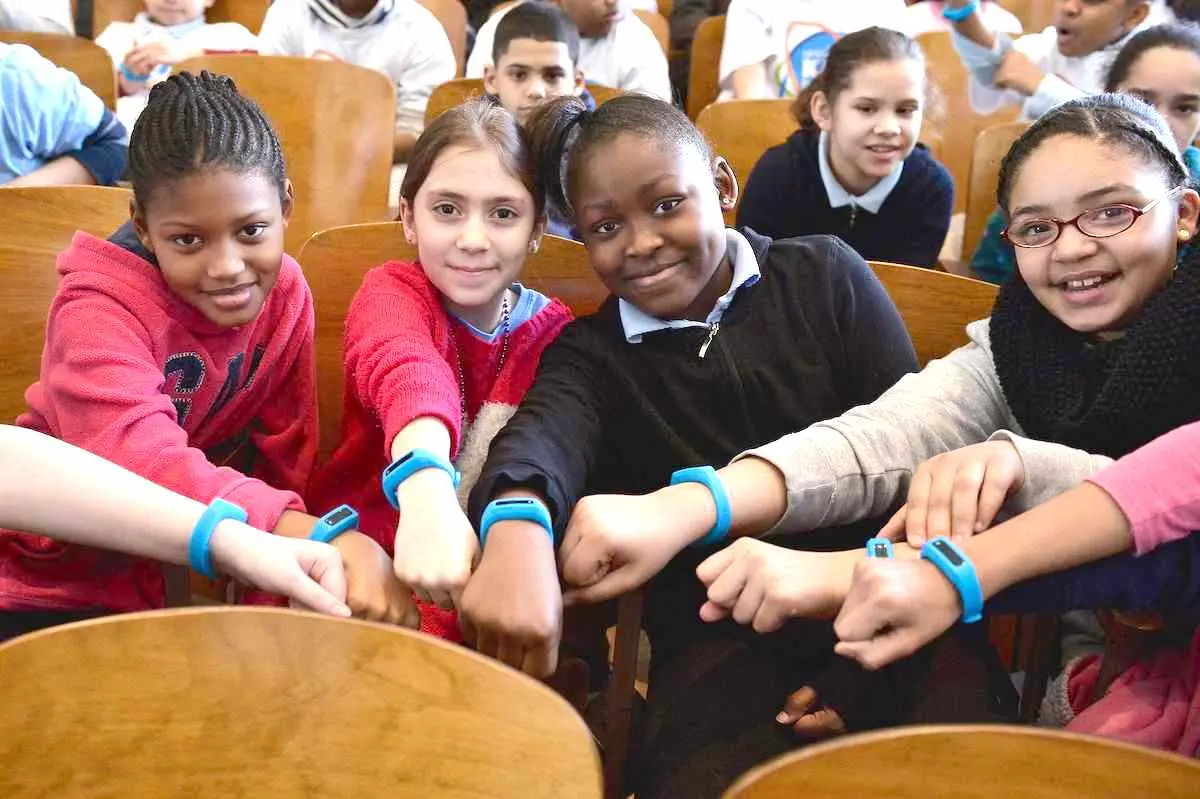
Everybody knows UNICEF. It’s one of the most famous non-profits out there. Target partnered with UNICEF on a campaign called Kid Power, which committed Target to one of UNICEF’s sustainable development goals (SDGs). The retailer sold kid-friendly fitness trackers encouraging the wearer to complete various fitness activities, which helped deliver food packets to underprivileged children worldwide. This campaign raised awareness on global malnutrition, helped UNICEF reach its goals, and gave a positive image to both organizations.
TOMS Shoes: Social Responsibility and Cause-Related Sponsorships
Similar to the UNICEF-Target example, the eco-footwear company TOMS Shoes has made a commitment to greener business practices and CSR with its one-for-one model of donating a pair of shoes for every purchase. The company now gives one-third of its profits to grassroots initiatives, including non-profit organizations, among which aim at improving mental health and ending gun violence.
The Trevor Project, SoulCycle and Abercrombie & Fitch: Profit-Sharing and Limited-Edition Products

There are many ways to be creative with these sponsorships. Your association can mix and match these types and create experiences that nobody has tried before. This can include profit-sharing, limited edition products, improving services and opportunities for beneficiaries, and more.
As an example of profit-sharing, the Trevor Project is a nonprofit focused on crisis intervention and suicide prevention for young LGBTQ people under 25. SoulCycle partnered with the nonprofit during Pride Month to help raise funds for its mission through profit-sharing. The Trevor Project also partnered with clothing company Abercrombie & Fitch during Pride. Abercrombie & Fitch provided a $200,000 donation to The Trevor Project and worked directly with the nonprofit to design a limited-edition, gender-neutral clothing line.
The Academy of Nutrition and Dietetics Collaborates With Sponsors to Educate Members

The Academy’s corporate sponsorship program allows for purposeful collaboration with food and nutrition organizations. The relationships with sponsors are not about promoting their products or services, but rather about creating scientific nutrition concepts/messages that members can understand and act upon to improve their clients’ health. This creates a win-win situation. Sponsors build authority, trust, and market education while members enhance their knowledge and open their horizons to new cutting-edge topics that they may not have been exposed to before. Needless to say that the Academy, of course, has to approve the scientific topics discussed to ensure it is within its vision and mission.
What are the Advantages of Advanced Sponsorship Models?
Thanks to advanced sponsorship packages, your association can diversify revenue while offering corporate partners more meaningful ways to connect with their target audiences. Instead of relying on logo placement and passive brand exposure, these models enable deeper interactions that generate measurable business outcomes, as well as strengthen relationships between sponsors and members.
Also, these approaches help associations adapt to the way members interact with brands and consume content. This applies particularly to younger audiences who mostly engage through digital platforms, virtual communities, and online events. Incorporating these channels into sponsorship opportunities will lead associations to reach members where they already spend their time while creating more interactive experiences.
Most importantly, these models give associations more flexibility to demonstrate value and differentiate their offerings. Combining digital promotion, exclusive content, events, and year-round engagement into tailored or tiered packages allows sponsors to pursue specific objectives, from brand awareness to thought leadership and lead generation. It also lets you track performance through metrics like audience engagement, content interactions, lead generation, and ongoing participation, rather than relying on exposure alone. This ability to customize partnerships around sponsor needs, demonstrate results, and continuously refine offerings makes the association a more relevant and valuable business partner.
When Does Each Model Work Best?

The right sponsorship model depends on the sponsor’s objectives and the association’s audience.
-
- Tiered sponsorships: When accommodating different budgets and sponsorship goals.
- Experience-based sponsorships: When direct interaction and memorable attendee experiences matter.
- Data-driven sponsorships: When sponsors need measurable engagement and ROI.
- Content and co-branding: When sponsors want to demonstrate expertise and build credibility.
- Digital and virtual sponsorships: When reaching geographically dispersed audiences or extending visibility beyond events.
- Cause-related sponsorships: When corporate social responsibility objectives align with the association’s mission.
- Profit-sharing and limited-edition products: When partners want to penetrate the market with an innovative product with community-impact goals, such as fundraising.
Advanced Sponsorship Models: Key Takeaways
-
- Advanced sponsorship packages evolve from visibility-only to a deeper engagement model
- While logo banner sponsorship exposure data is important, sponsors are beginning to look for additional ROI metrics that will indicate ability to demonstrate success for their goal
Associations that will embrace advanced sponsorship models will differentiate themselves from other organizations that compete for the same sponsorship budget.